

Our Heritage
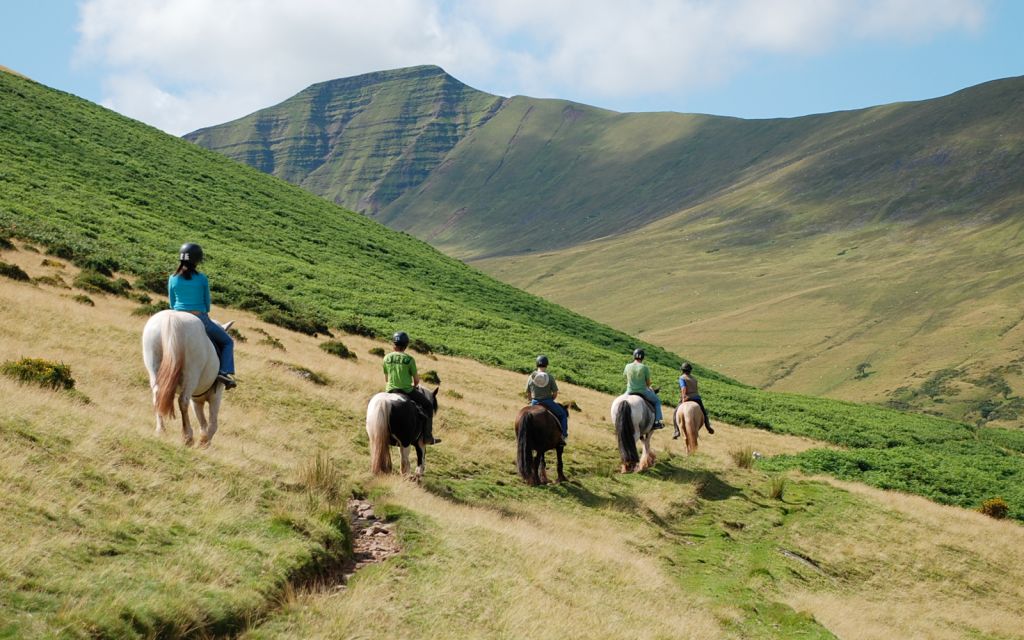
Steeped in history and heritage, evidence has shown that Ffynnon Beuno has proven a safe haven for people for over 38000 years
From the labyrinth of caves discovered in 1866 by Henry Hick to the brook which forms part of the historic well of Saint Beuno. Ffynnon Beuno has a long and elaborate history that we work hard to protect for future generations.
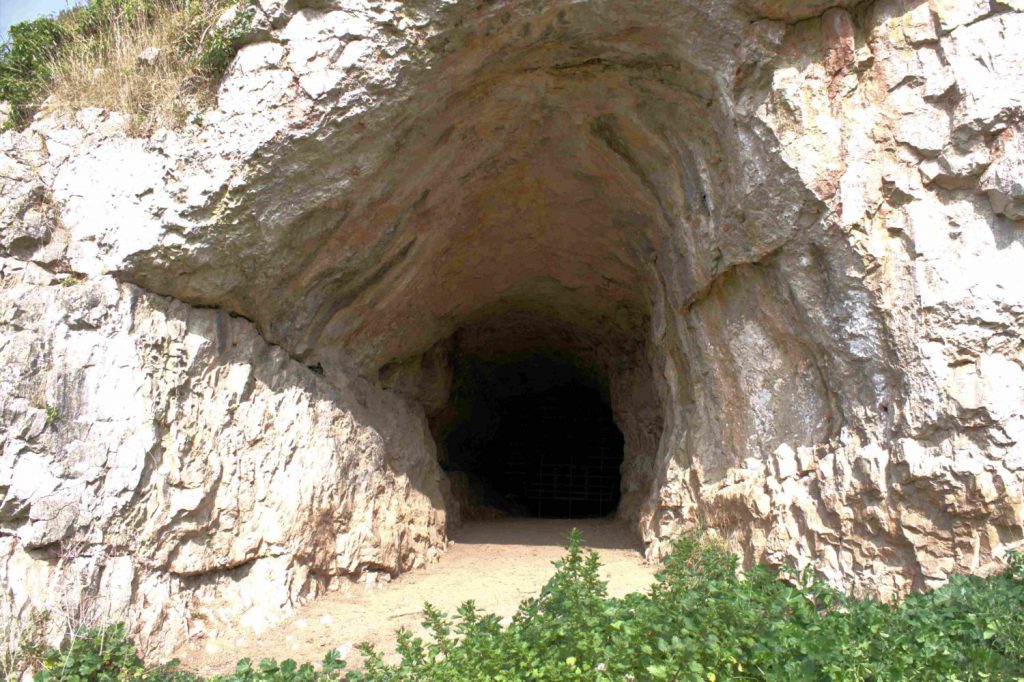
Ffynnon Beuno and its neighbour at Cae Gwyn are of International significance since confirmation as being the last occupied European site of Northern European Neanderthals before their extinction (approximately 42000 years BC) and the first site occupied by Homo Sapiens to occupy Europe some 37000 years BC. The cave is one of only 3 sites in Britain known to contain artefacts from both periods. Originally excavated by the Victorian archaeologist Henry Hicks in 1885, the site produced bones from Wooly Mammoth and Rhino, Hyena jaws and early flint tools. The caves are also the winter roost for a colony of rare Lesser Horseshoe Bats.

Ffynnon Beuno and its neighbour at Cae Gwyn are of International significance since confirmation as being the last occupied European site of Northern European Neanderthals before their extinction (approximately 42000 years BC) and the first site occupied by Homo Sapiens to occupy Europe some 37000 years BC. The cave is one of only 3 sites in Britain known to contain artefacts from both periods. Originally excavated by the Victorian archaeologist Henry Hicks in 1885, the site produced bones from Wooly Mammoth and Rhino, Hyena jaws and early flint tools. The caves are also the winter roost for a colony of rare Lesser Horseshoe Bats.

In his lifetime, Beuno was credited with raising seven people from the dead, including his niece, the virgin Winefride (Gwenffrewi), and his disciple and cousin, Aelhaiarn. Winefride has her own dedicated chapel at Holywell, this is worth a visit and there is an interpretation centre which covers the story of Winefride’s life, death and resurrection at the hands of her uncle, Beuno. A stone from Beuno’s original pulpit at the Capel can still be found at the side of the well in Ffynnon Beuno. Following a life time of passionate evengelism, Beuno returned to Clynnog and remained there for the rest of his days, dying on 21st April AD 640.
A custom that survived until the early nineteenth century was one of making offerings of calves and lambs which happened to be born with a slit in the ear, popularly called Beuno’s Mark. These “sacred beasts” were brought to church on Trinity Sunday and the church-wardens who sold them put the proceeds into Cyff Beuno (Beuno’s chest). Into the chest also went the offerings of persons who came from distant parts of the country, even down to the early nineteenth century, to propitiate the saint on behalf of their cattle when afflicted with some disorder. When the chest was opened in December 1688, it contained £15.8.3d and the proceeds where used for church repairs and the relief of the poor.
St. Beuno was buried in a chapel on the south-west side of the church. It is said to have been destroyed by those searching for his relics. His holy well, Ffynnon Feuno, is about 200 yards from the church. In former days, rickety and epileptic children, as well as impotent folk generally were dipped in it and then carried to the chapel then put to lie overnight on the saint’s tombstone. If they slept, they would be cured.
The Ffynnon
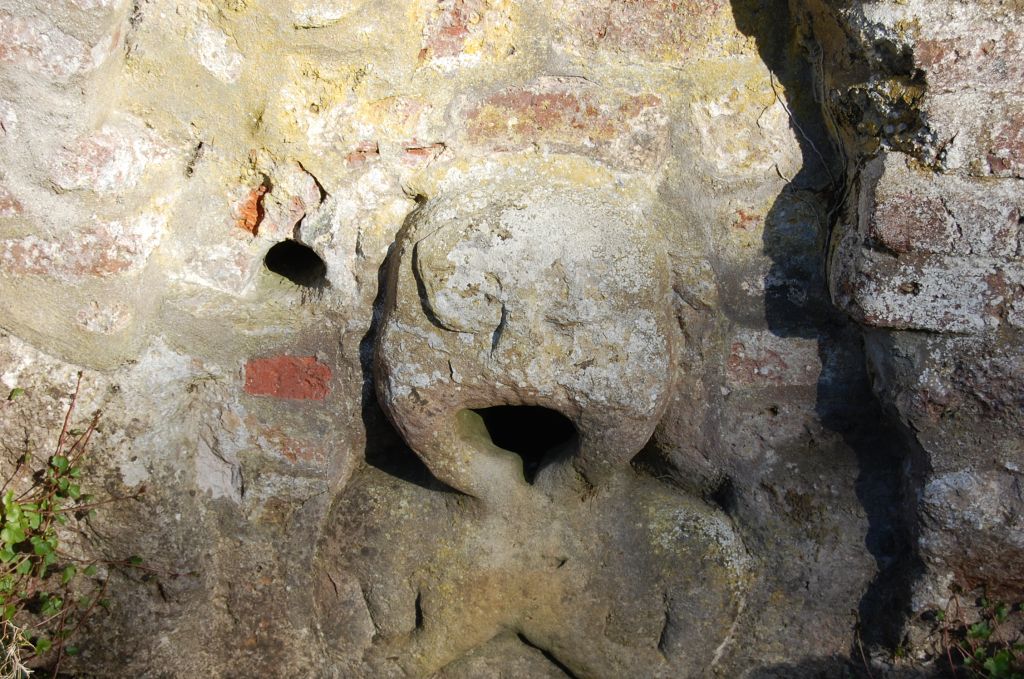
Translated from welsh as a spring, well or fountain. The series of old worn steps to the basin shows the many centuries of footsteps from travellers and pilgrims using the well for bathing, it was noted in local records for its purity and sweetness as well as its healing qualities attributed to Beuno. Next to the basin stands a renovated hand pump, sadly many of the ancient wells of the area have been lost over time so we keep Ffynnon Beuno carefully maintained for future generations to enjoy.